- Price: just over €30,000.
- Financing: ~6% interest.
- Total expected payment over ~5 years: ~€40,000.
- Status (April 2026): more than half already paid.
On paper, it was a bad deal.
Realistically, we overpaid by at least 5–6× relative to what the property was objectively worth at the time. No serious buyer would justify that valuation based on fundamentals: location, condition, income potential—none of it supported the price.
But auctions don’t run on fundamentals. They run on adrenaline.
And that’s the whole point.
What We Actually Bought
Strip away the imagination, and here’s the asset:
- ~1.24 hectares of land
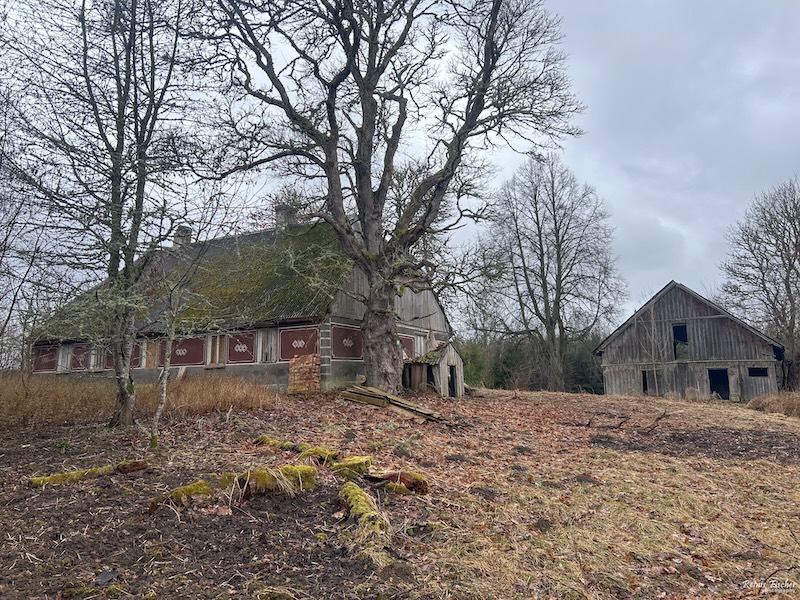
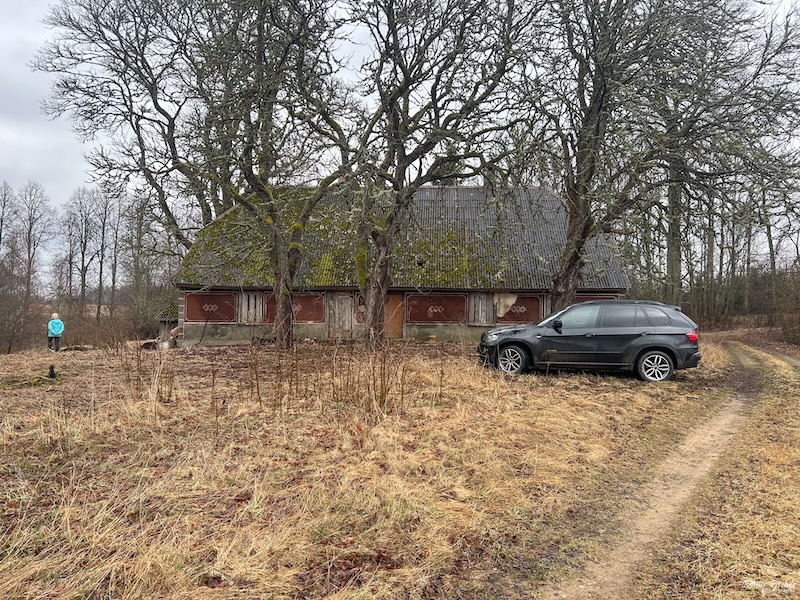
- An old house (not really a manor, despite the name)
- Last meaningful renovation: 1987
- Condition: not livable by standard expectations, but not a total ruin either
- Additional structures: a shed with a large, solid foundation
It sits somewhere in the uncomfortable middle—not abandoned enough to be romantic, not functional enough to be practical. Which makes it difficult.
Three Years of Ideas (and No Execution)
Since acquiring the property, the pattern has been consistent: ideas, not action.
Some of the concepts we explored:
- Tiny houses in the forest
- A sauna / retreat concept
- Renovating the existing structure
- Hybrid approaches (partial restoration + new builds)
Each idea sounds reasonable in isolation. But none passed the combined test of:
- capital required
- execution complexity
- expected return
So nothing moved forward. This is typical for properties like this. The biggest risk isn’t loss - it’s stagnation.
The Current Direction (as of April 2026)
Now the thinking is shifting.
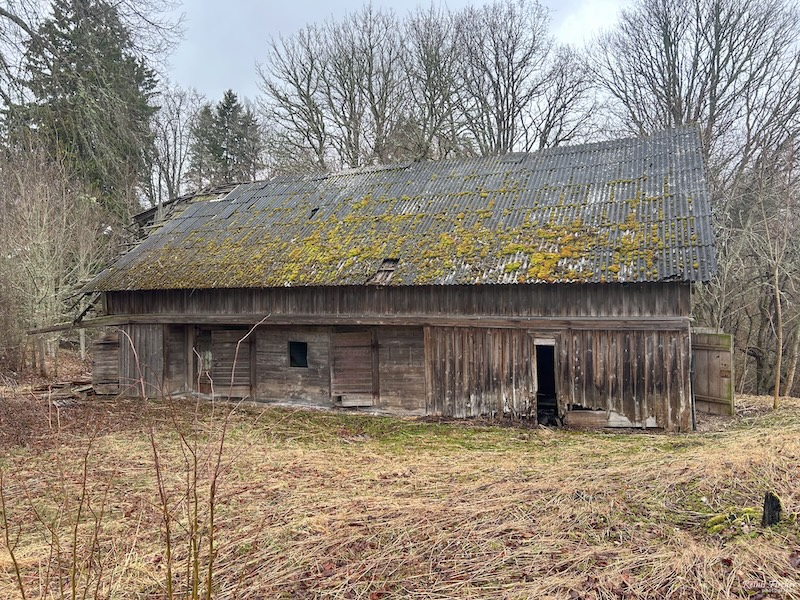
Instead of trying to adapt what exists, we’re considering a reset:
- Tear down the shed
- Keep and use the existing massive foundation
- Build something new and deliberate
This is the first idea that feels structurally cleaner:
- no compromise with legacy structures
- no half-renovation traps
- no pretending the old building is something it isn’t
Still early-stage thinking, but directionally more realistic.
Financial Reality Check
Let’s be clear:
This was not a rational investment.
- No yield
- No appreciation thesis (yet)
- Negative carry due to financing
- Opportunity cost vs. deploying €30–40K elsewhere
From a pure capital allocation perspective, this underperforms almost anything else we could have done—stocks, crypto, even leaving it idle. So why keep it?
Because It’s Not Just an Asset
Ādģēri is closer to an option than an investment.
We paid for:
- optionality
- experimentation
- the ability to build something unconventional without constraints
And importantly - experience.
Online auctions, especially, create a specific kind of exposure:
- decision-making under pressure
- emotional pricing errors
- commitment without full clarity
That’s hard to simulate otherwise.
Where This Goes Next
There are only three realistic paths forward:
- Do nothing (default drift) - property slowly decays, capital remains locked
- Minimal intervention - stabilize, clean, maybe make it usable at low cost
- Commit to a clear build thesis - capital-intensive, but the only path that could justify the initial mistake
Right now, we’re hovering between (2) and (3).
Final Thought
We likely overpaid. But the more interesting question is not whether the purchase was wrong. It’s whether we can still turn it into something that justifies keeping it. That part is still unresolved.