I attended primarily to track local initiatives, assess institutional direction, and expand my network within the Georgian financial ecosystem.
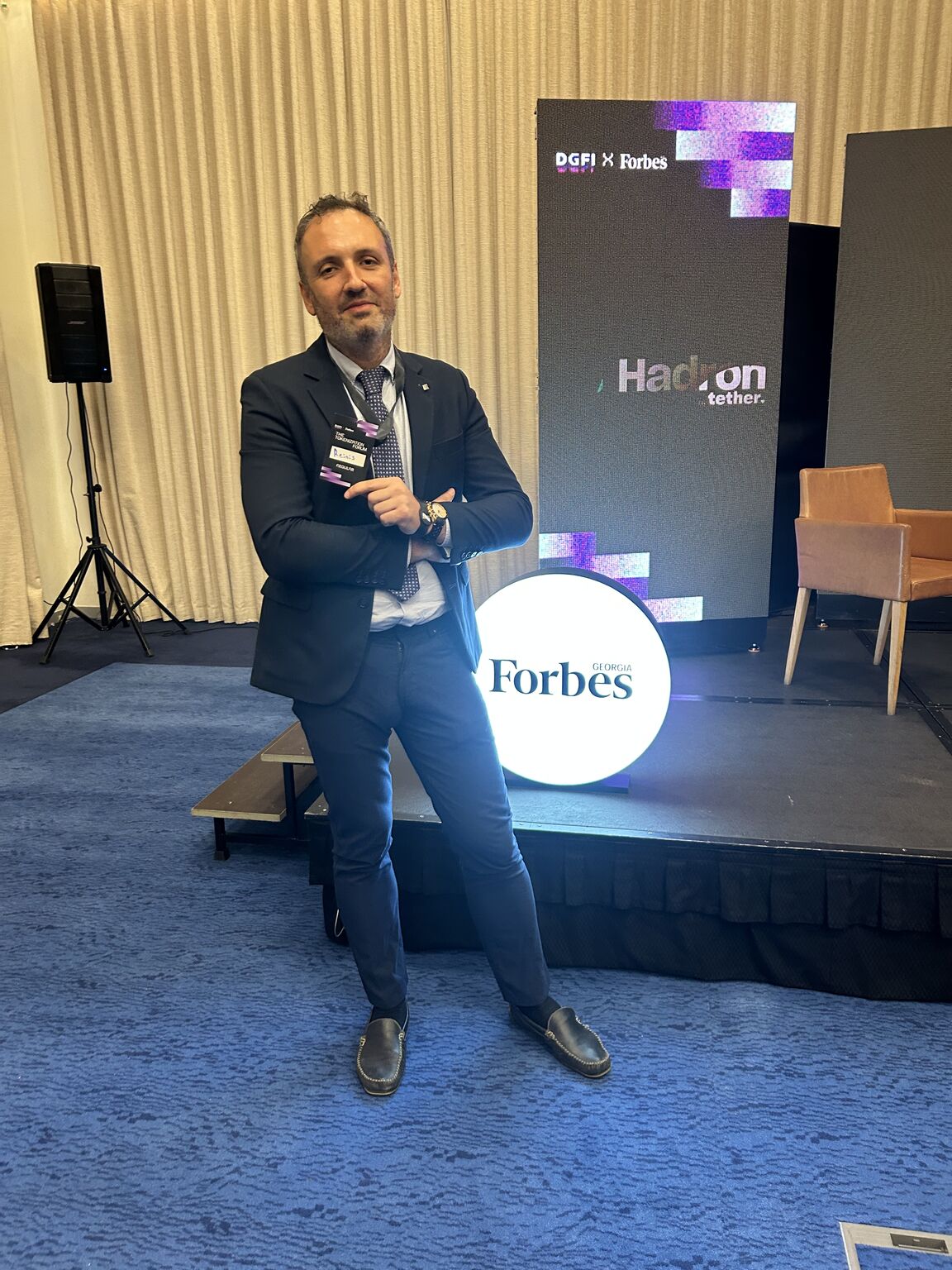
The dominant focus of the conference was not real estate tokenization - as one might expect from broader global RWA narratives—but rather:
- Tokenized bonds and debt instruments
- Regulatory sandbox initiatives led by the National Bank of Georgia
- Institutional frameworks for compliant digital asset issuance
This signals a cautious, regulator-first approach. Instead of pushing frontier innovation, Georgia appears to be building foundational infrastructure aligned with established international models.
Regulatory Direction: Sandbox Approach
The National Bank’s sandbox initiative was a central topic. The framing suggests:
- Controlled experimentation within defined regulatory boundaries
- Gradual integration of tokenized instruments into the traditional financial system
- Preference for institutional-grade participants over retail-driven innovation
This is consistent with many smaller markets attempting to de-risk entry into digital assets. However, it also limits the pace of innovation.
Market Positioning vs Reality
A recurring narrative during the event was positioning Georgia as a potential pioneer in RWA tokenization.
That claim requires scrutiny.
From a practical standpoint:
- Tokenized securities, funds, and real estate structures already exist globally
- Infrastructure for issuance, custody, and secondary trading is mature in multiple jurisdictions
- Early-stage experimentation (including our own Terramatris tokenization in 2022) has already validated core models
What is currently happening in Georgia is better described as adoption and localization, not pioneering.
This is not inherently negative. It reflects a rational strategy—observing proven systems and implementing them within a domestic regulatory framework.
Institutional vs Retail Perspective
From a retail investor standpoint—particularly with access to international platforms like IBKR—the offerings discussed did not appear compelling:
- Limited product differentiation
- No clear edge in yield, access, or structure
- Early-stage infrastructure still under development
However, from an institutional lens, the developments are more meaningful:
- Creation of local capital market instruments
- Regulatory clarity for tokenized securities
- Long-term groundwork for domestic liquidity pools
Networking and Industry Signals
The event was valuable from a networking perspective. Conversations with brokerage representatives and market participants suggest:
- Strong interest in positioning early within the regulatory framework
- Cautious optimism rather than aggressive innovation
- A wait-and-see approach from more experienced capital allocators
Notably, the editorial leadership from Forbes Georgia contributed constructively to the discussion. The Chief Editor raised pointed, critical questions - particularly around execution, differentiation, and real-world applicability - which improved the overall quality of the dialogue.
Personal Take
As the founder of Terramatris and someone already operating in tokenized asset structures, the conference did not introduce fundamentally new concepts.
The gap between global crypto-native innovation and local institutional adoption remains visible.
That said:
- The presence of coordinated initiatives
- Regulatory engagement
- Media involvement (Forbes)
—all indicate that Georgia is taking deliberate steps toward integrating tokenized finance into its financial system.
Conclusion
The DGFI / Forbes Georgia conference reflects an early-stage institutionalization phase of RWA tokenization in Georgia:
- Not disruptive
- Not yet competitive globally
- But directionally aligned with broader financial trends
For participants already active in global markets, the developments may feel incremental. For the local ecosystem, however, they represent necessary groundwork.
I will continue attending such events to monitor progress, identify asymmetries, and expand relevant networks.
If you are in Tbilisi and working in this space, feel free to reach out there is value in comparing notes across perspectives.